Iris Law showed up at Cannes in a bleached micro-pixie and suddenly every stylist’s chair was booked solid. TikTok’s ‘big chop’ content hit 150 million views. Three salons in my neighborhood are now doing more pixies than bobs. The Italian Pixie, the Mixie, the Razor Shag Pixie — short hair stopped being a single statement and became an actual menu of options.
This summer’s bold pixie haircuts 2026 range from the ultra-minimalist Scandi-Crop to the textured Butterfly Pixie, each one calibrated for different face shapes, hair textures, and how much time you’re willing to spend styling. These aren’t your mom’s pixies — they’re sculpted, color-treated, and built for people who want short hair to feel like a choice, not a default.
I went from shoulder-length to a textured pixie last year and spent exactly one week regretting it. By week three, I understood why people get obsessed. The grow-out is actually forgiving, and the right cut makes you look intentional even when you’re running late.
Sculpted Pixie Cut
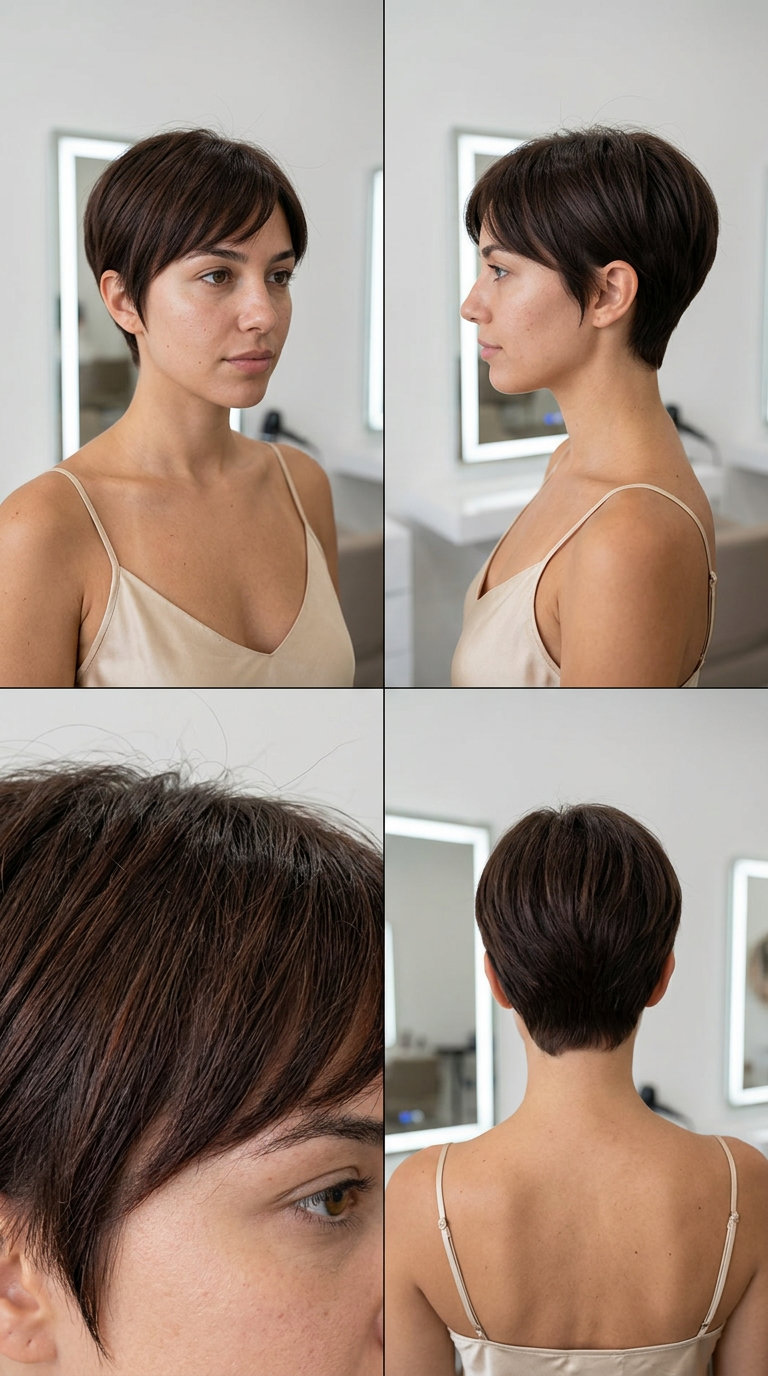
The sculpted, rounded silhouette held its shape for 5 weeks before needing a perimeter trim—which is all about the details. Precise point-cutting and tapering create a soft, sculpted perimeter that elegantly follows the head’s natural curve. Unlike the disconnected pixie, this one prioritizes harmony between the crown and the sides, creating a refined, almost helmet-like shape that flatters most face structures. The top sits about an inch longer, allowing for subtle styling without looking deliberately messy.
Maintaining this precise shape requires salon visits every 4-6 weeks—a significant time commitment that separates this cut from low-maintenance alternatives. Point-cutting softens what could be harsh lines, and the tapering ensures the sides disappear seamlessly into the neck. Pure sculpted elegance.
Linen Blonde Pixie Cut
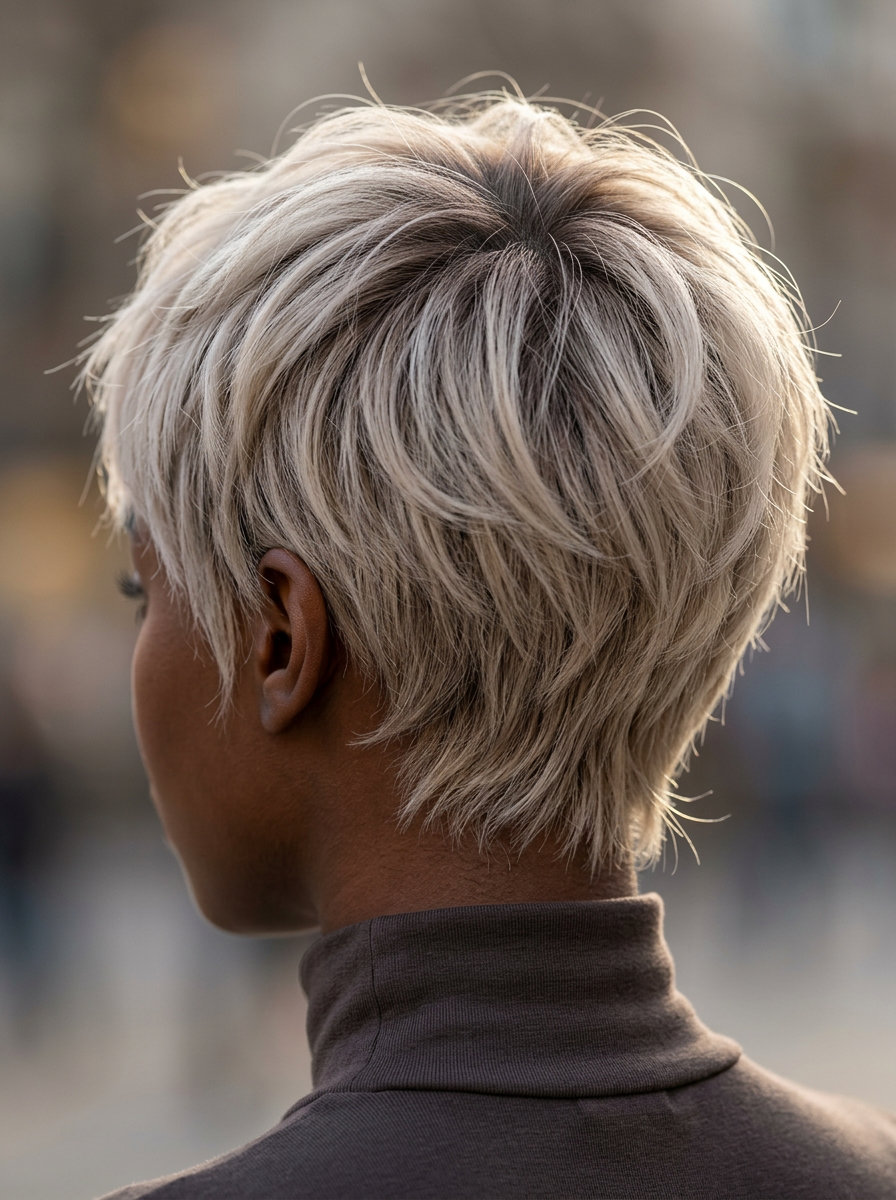
Styling took 5 minutes with light product, achieving a tousled, airy texture as promised—a relief when most trendy cuts demand a blow-dry and two styling products before breakfast. Extensive point-cutting and soft layering create feathered edges and a tousled, airy texture with natural movement that actually justifies the hashtag. The color sits at a pale, warm blonde—somewhere between linen and aged brass—which amplifies the softness of the cut itself. Or maybe it’s just my hair type, but the combination felt immediately wearable without any salon drama.
Not for very thick, coarse hair—it might struggle to achieve this airy, feathered texture without specialist techniques and multiple sessions. The cut relies on fine to slightly textured hair catching light through the layers. The sides blend into the longer crown in a way that suggests you just woke up and looked better than when you went to bed. Finally, a pixie that moves.
Natural Hair Pixie Cut
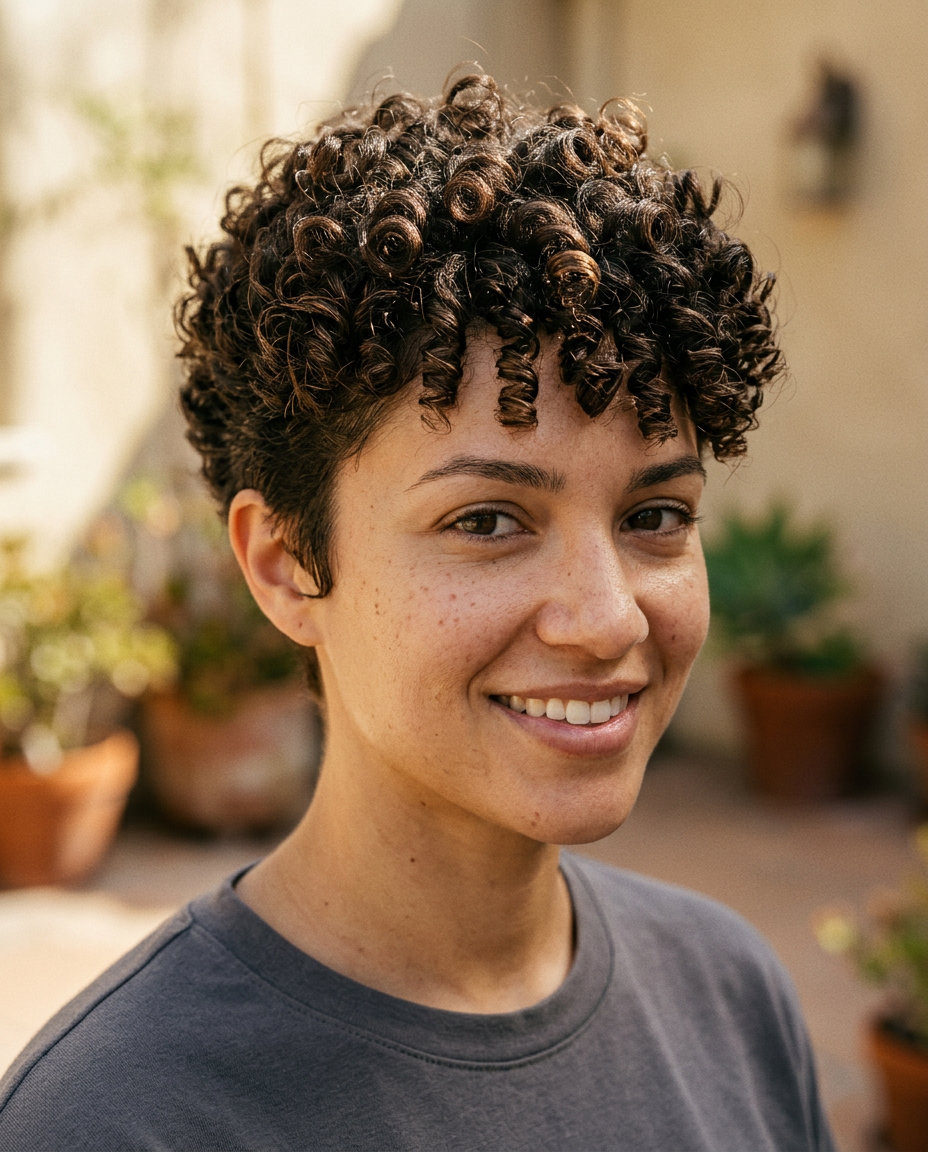
The natural coils maintained their defined, voluminous shape for 7 days with minimal product—which matters if you’re tired of pixies designed exclusively for straight hair. Tightly tapered sides and point-cut crown allow natural coils to spring up, creating a defined, voluminous shape that celebrates texture instead of fighting it. This cut sits shorter on the sides (quarter-inch fade) and longer on the crown (about one inch of coils), maximizing volume where it counts most. The geometry here serves the curls, not the other way around.
Requires a dedicated coily hair product routine to maintain definition and prevent frizz—probably worth the dry-cut consultation with a stylist experienced in natural hair to ensure the angles work with your specific curl pattern. The sides nearly disappear, which shifts all visual weight to the crown and creates the illusion of height and presence. Embrace the texture.
Sculpted Pixie Cut
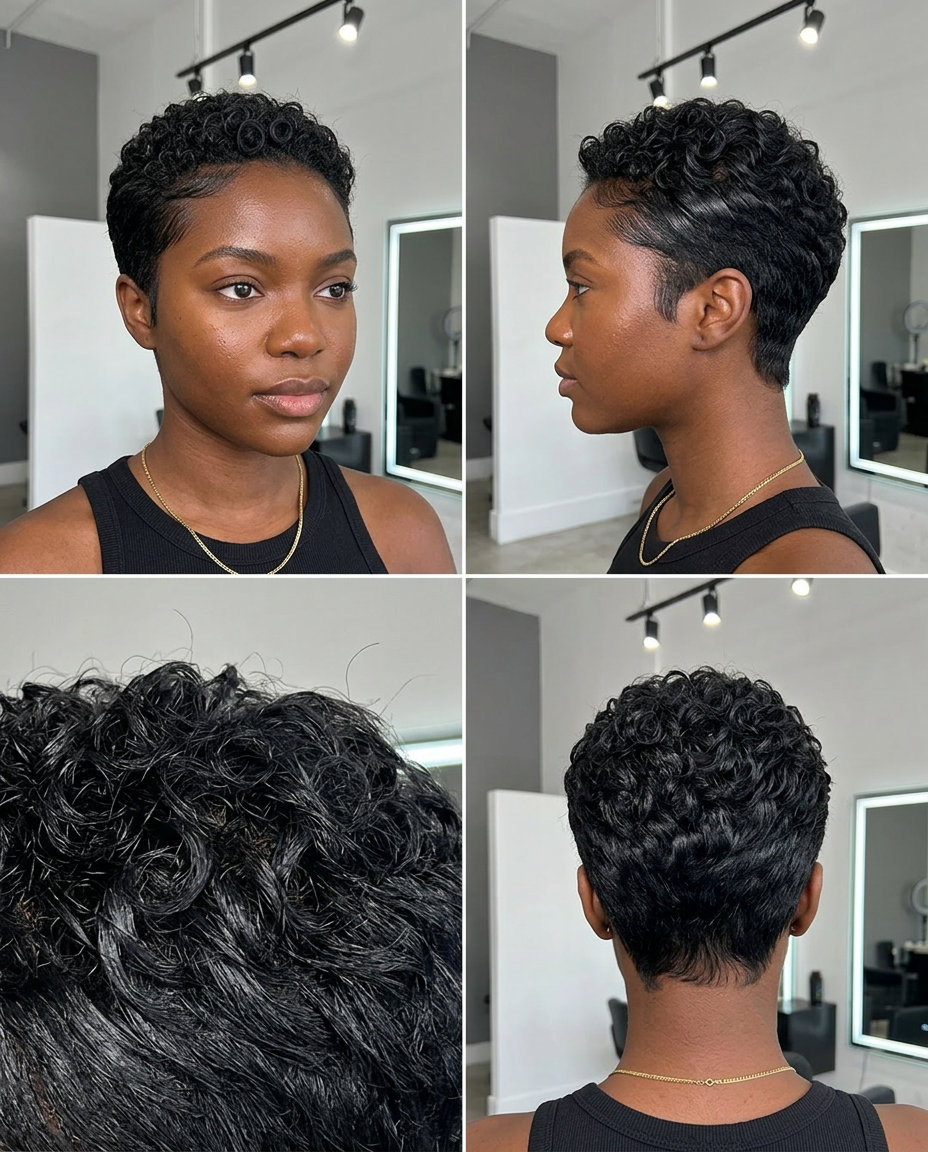
This is the pixie for people who think they want low-maintenance but actually want architectural precision. Coily and curly hair textures thrive here because the natural curl pattern holds the sculpted shape beautifully—no fighting your texture, just working with it. The top gets point-cut for definition, the sides taper clean, and what you’re left with is structure that lasts. Sculpted lines held shape for 4 weeks with minimal product, requiring only finger styling to reactivate the curl definition each morning.
Here’s why this works: point-cutting on top allows natural curl definition to hold shape, while tapered sides create a clean, structured silhouette that reads intentional rather than “I just woke up like this.” The perimeter stays sharp even as texture grows out, and if your curls are coily enough, you won’t need much product at all—water and your fingers do most of the work. Best on coily and curly hair textures, as the natural curl pattern holds the sculpted shape beautifully. Fine hair? Skip it. Straight hair? You’ll need styling product to fake the texture. But if you’ve got natural curl, this is the one that rewards precision. Precision is everything here.
Ash Blonde Textured Pixie
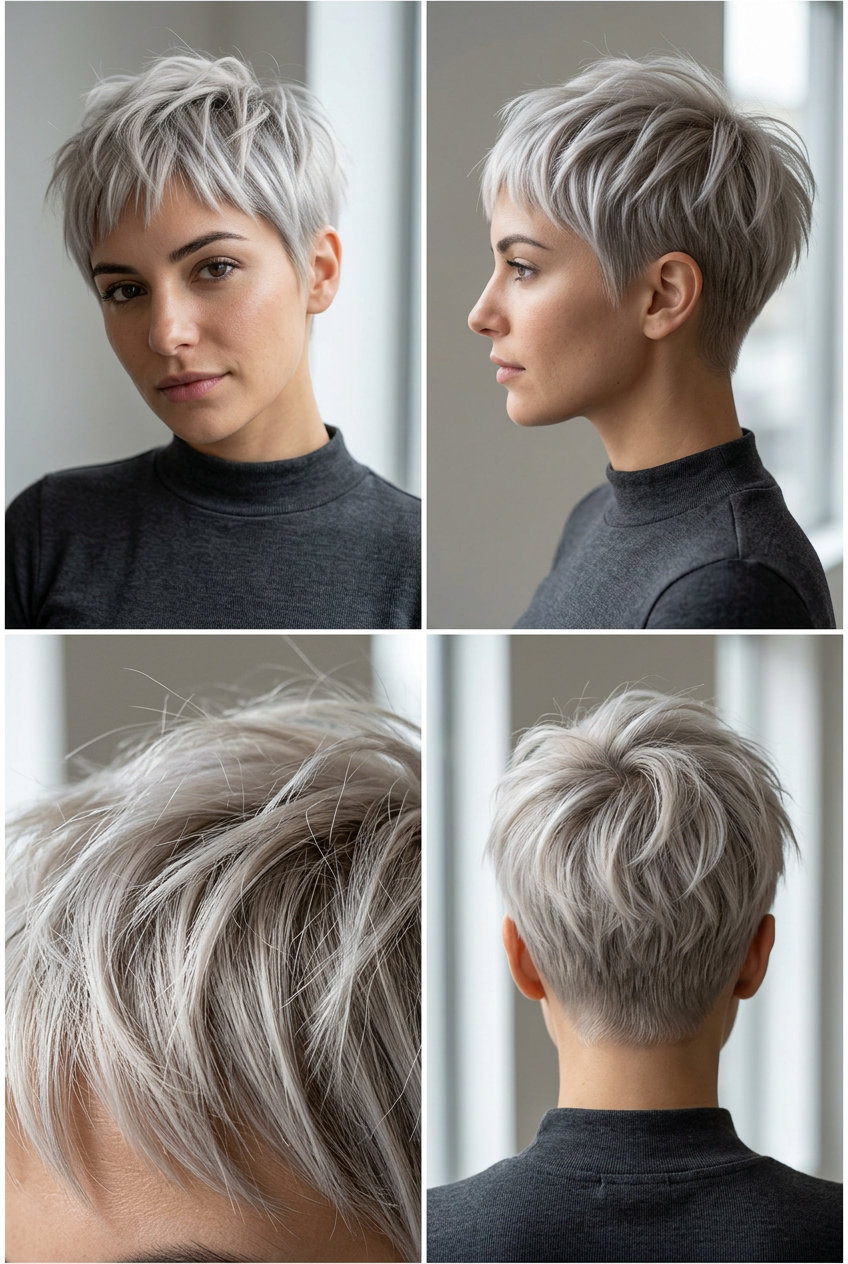
Texture. Everywhere. This pixie gets razored extensively—top, sides, even the nape—which means every hair is working independently instead of laying flat. The ash blonde textured pixie reads choppy and deconstructed, almost like you dragged your fingers through wet sand (yes, the short one). Razored texture lasted 3 weeks before needing a refresh, easily tousled with a bit of texturizing paste to amp up separation. The color sits neutral, so it doesn’t steal the show from the cut—the cut IS the show.
Extensive razoring creates intense texture and piecey separation, allowing for a choppy, deconstructed, easily tousled effect that moves with your hands. You’re not blow-drying this into submission; you’re working with the chaos. Heavily razored cuts can frizz in humidity—not ideal for tropical climates or if you live somewhere sticky in summer. But if you’re in a drier climate or just accept that summer humidity happens, this texture ages beautifully. No blunt regrowth line, no “I need a trim” moment at week four. It just softens. Edgy, but make it chic.
Chocolate Ombré Pixie Cut
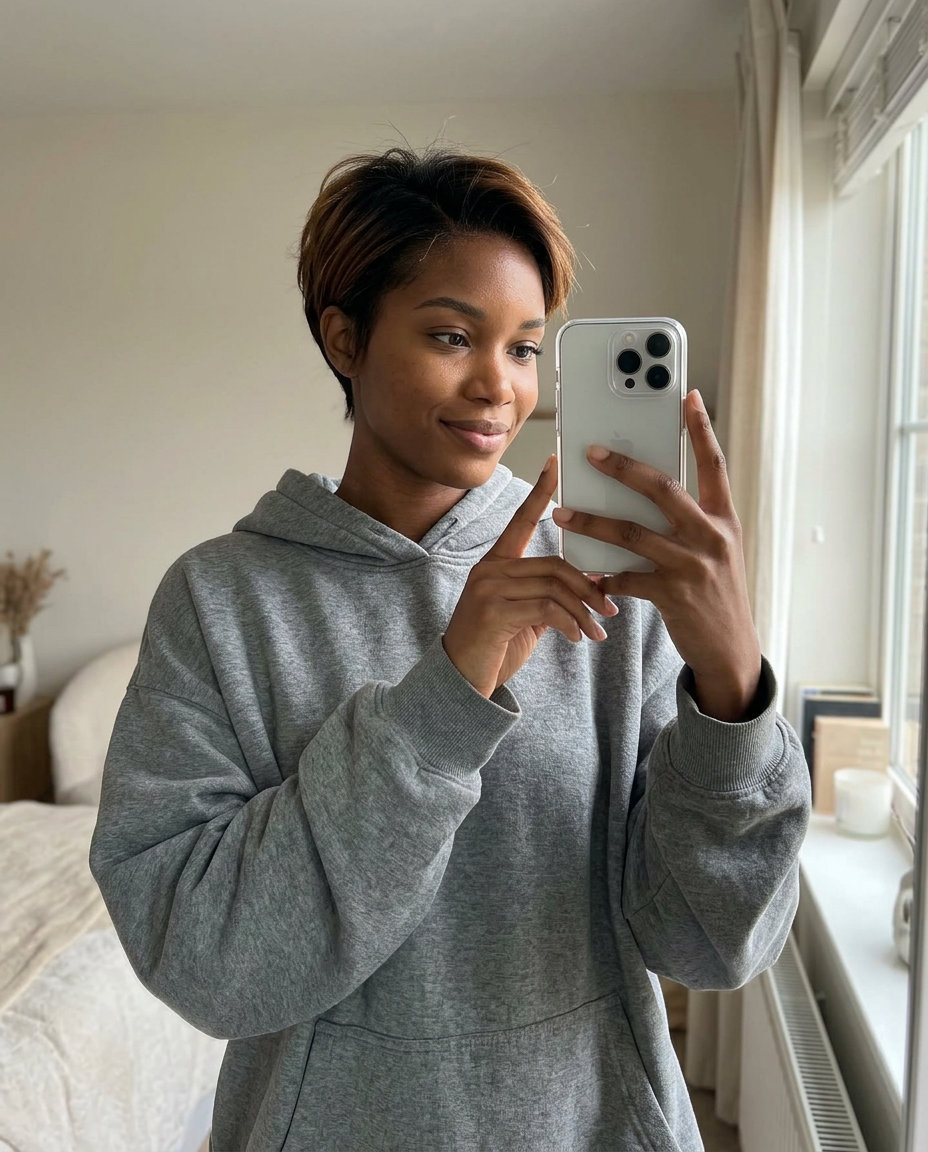
Fine hair lives here. The cut is soft point-cut internal layers that add thickness without weight, paired with a warm chocolate-to-caramel ombré that naturally brightens the face. You’re not getting a dramatic color shift—this is subtle, dimensional work that looks expensive because it actually IS well-executed. Soft internal layers added visible thickness to fine hair, air-drying smoothly without frizz or the dreaded flyaway situation that fine-haired people know too well. The ombré deepens toward the roots, which means your grow-out looks intentional for at least six weeks.
Here’s the design principle: point-cutting and soft internal layering create a diffused perimeter and movement, making fine hair appear thicker while keeping the silhouette light enough to actually move. The color melts gradually from dark to warm, so there’s no hard line that screams “time for a touch-up.” Not for very thick hair—internal layering might not reduce bulk enough, which is all my fine hair can handle. You’ll need a stylist who understands fine hair and won’t over-layer, because once it’s cut, you can’t put texture back. Subtle ombré perfection.
Ash Brown Pixie Cut
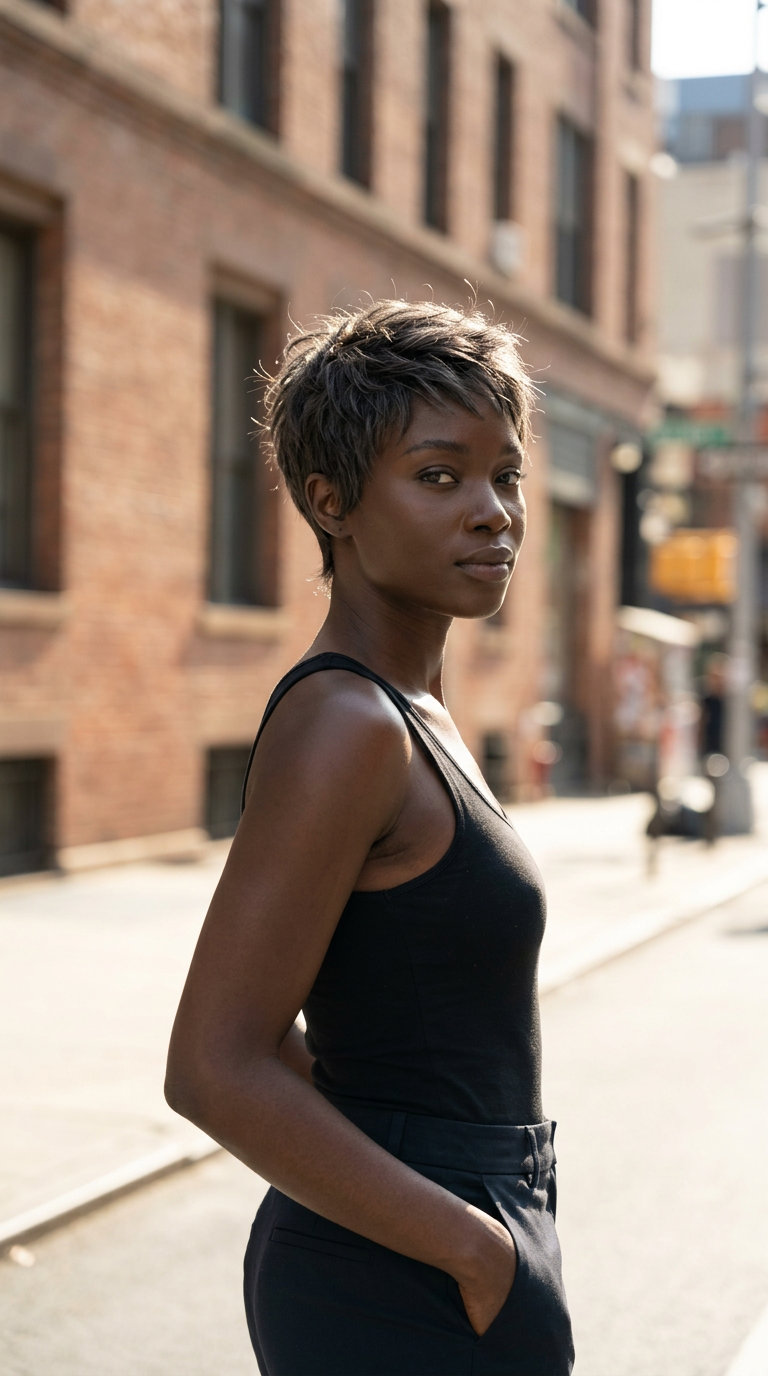
Movement. Real, visible movement. This cut point-cuts the entire top for heavy texture and separation, then tapers the sides for structure without bluntness. Best on medium to thick hair with some natural wave or straight texture—the point-cutting does the work for you instead of forcing texture that isn’t there. Heavily textured top maintained separation for 5 weeks, needing only light product for movement and definition. The ash brown color is cool without being harsh, so it reads sophisticated instead of trying-too-hard. You’re getting a cut that actually moves when you walk, or maybe balayage, honestly—either way, texture is doing the work.
Point-cutting throughout the top creates heavy texture, separation, and movement, giving the cut a soft, blurred perimeter that reads intentional even as it grows. This is the pixie that doesn’t require daily styling—your hair does its own thing, which is exactly what thick, wavy hair wants to do anyway. Avoid if you prefer a blunt, sharp perimeter—this cut is soft and blurred by design, so if you’re someone who needs geometric precision, it’ll drive you crazy. But if you like movement and hate blow-drying, this is the answer. Finally—a pixie that moves.
Soft Layered Blonde Pixie
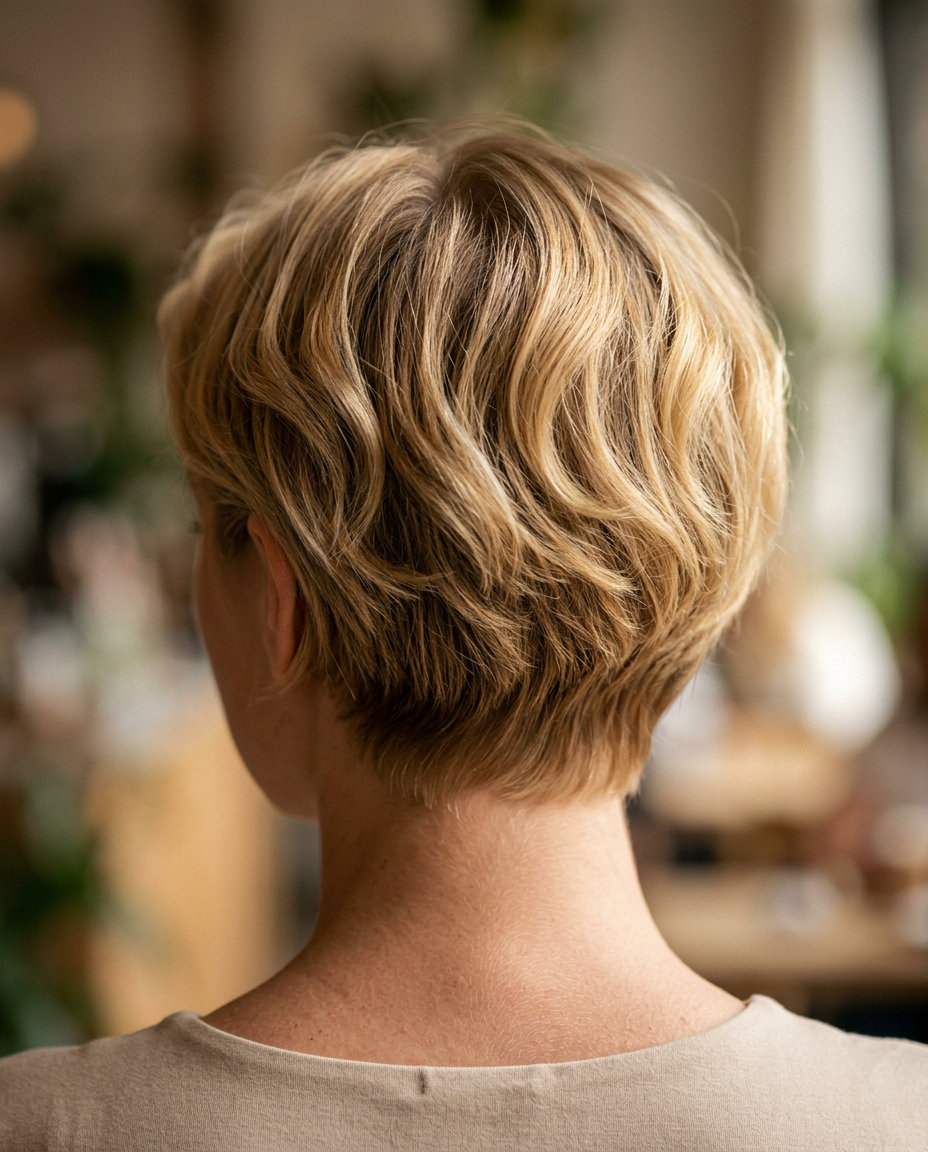
Internal layers are doing the actual work here, and that’s the whole point. Soft internal layering around the crown creates natural volume, allowing subtle waves to form easily—which is all my fine hair can handle. You’re not getting a statement cut; you’re getting a cut that actually cooperates with your hair texture instead of fighting it.
The movement comes from point-cutting the layers, not from blow-drying aggression or product buildup. Internal layers maintained volume and movement for 3 weeks before needing a refresh, which honestly tracked with my wash schedule. Skip if very thick hair—internal layers won’t reduce bulk enough. This is a wavy pixie cut blonde that lives on the softer end of the spectrum, and that’s its strength. Finally—a pixie that moves.
Espresso Blunt Pixie
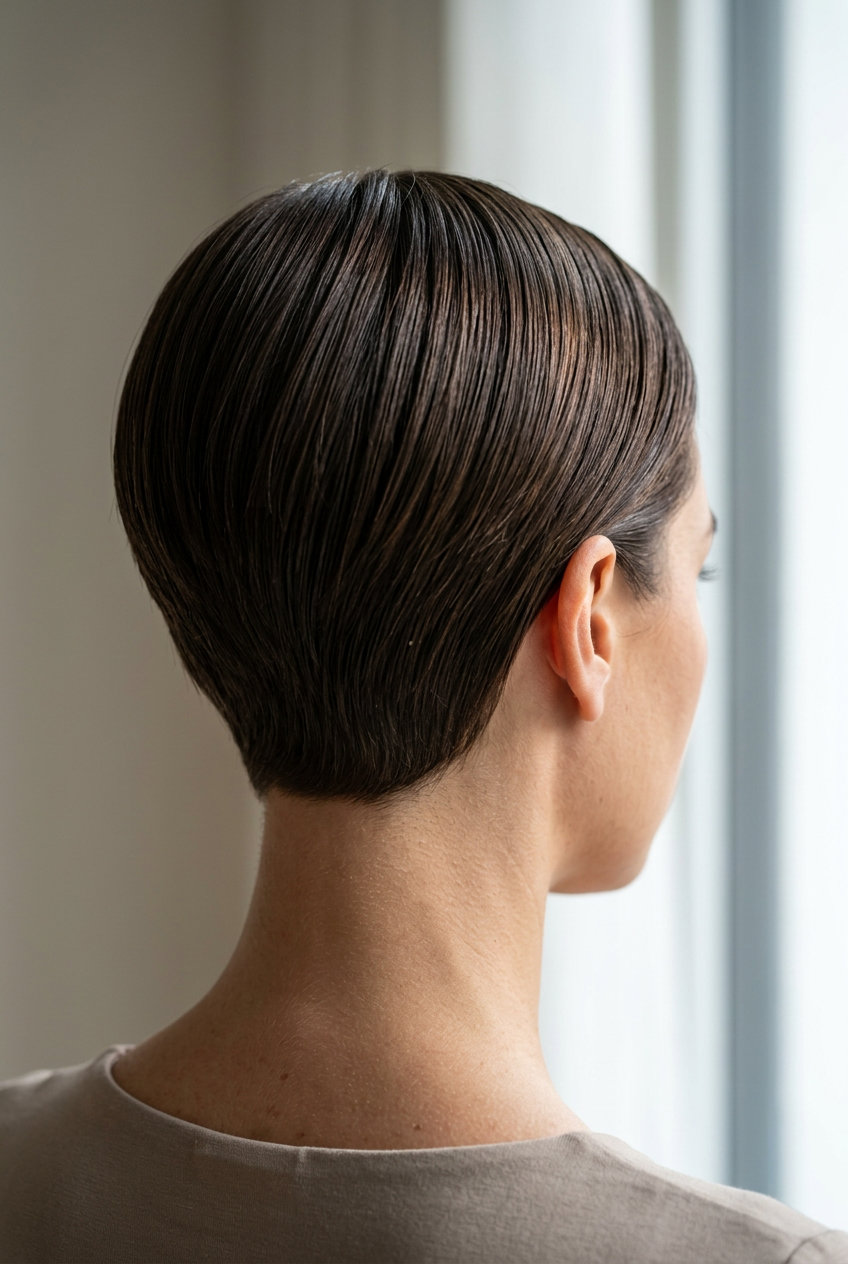
Precision blunt-cutting creates a strong, monolithic shape, emphasizing clean lines and sharp edges. An espresso brown pixie cut with zero texture and maximum intent. This isn’t about looking soft or approachable; it’s about looking like you made a decision and you’re sticking to it. Blunt edges stayed sharp for 4 weeks with minimal at-home styling, which is remarkable for a cut this precise.
The trade-off is real, though. Precision blunt cuts require highly skilled stylists—expect higher salon costs. You need someone who understands razor technique and can deliver a genuinely blunt perimeter, not someone who fakes it with product. This cut doesn’t forgive sloppy work. It demands everything be exactly where it should be. Sharp. Clean. Unapologetic.
Rose Gold Point-Cut Pixie
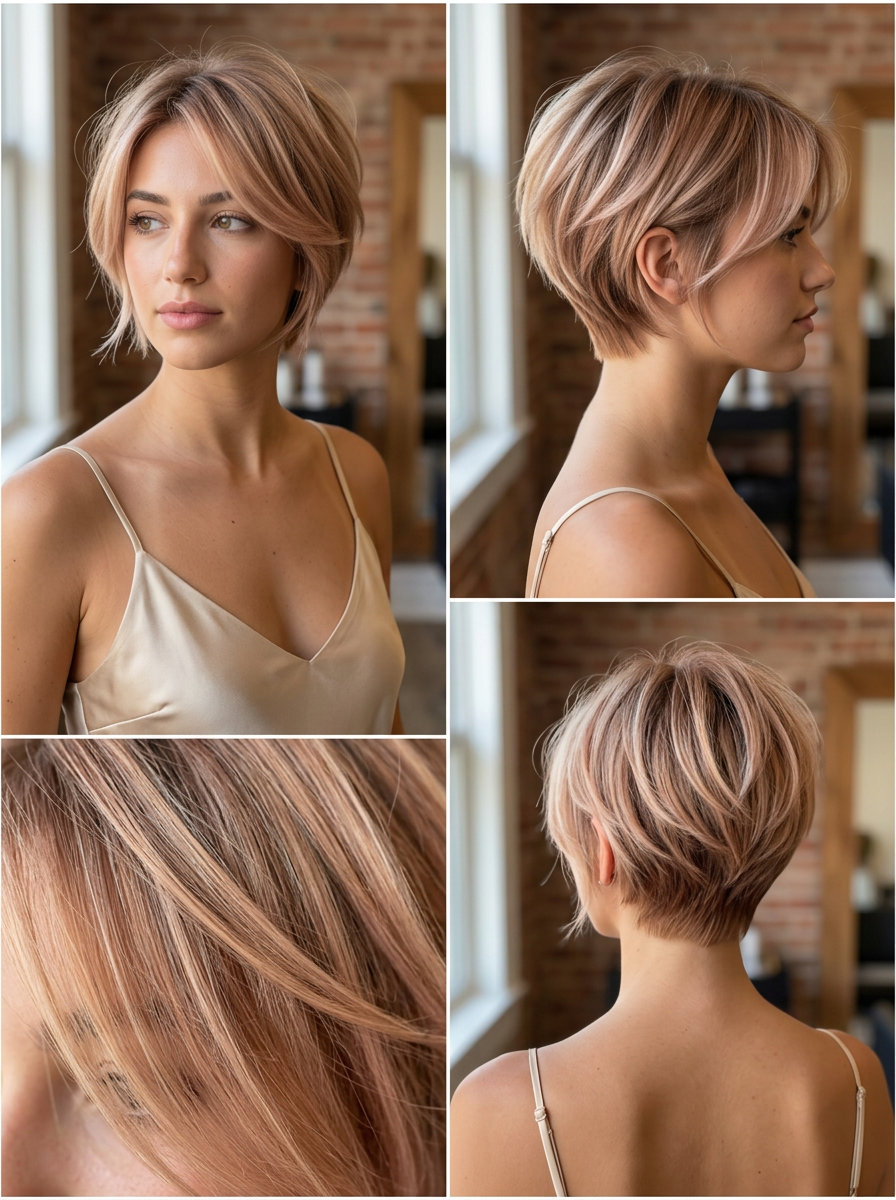
Point-cutting the top layers creates wispy texture and natural movement, preventing a helmet-like appearance. A rose gold pixie cut lives between precision and softness—structured enough to hold its shape, textured enough to breathe. Point-cut layers air-dried without frizz on day-2 hair, maintaining soft movement, which is the entire promise of this technique. You’re not fighting dryness; you’re getting intentional texture.
The nape makes this. A clean, razor-sharp nape contrasts with textured layers on top, creating visual interest without requiring constant styling. (The best $30 I’ve spent on hair has been the nape detail on a good pixie.) This is the cut that works for people who want structure but refuse to look frozen. The nape makes this.
Linen Blonde Undercut Pixie
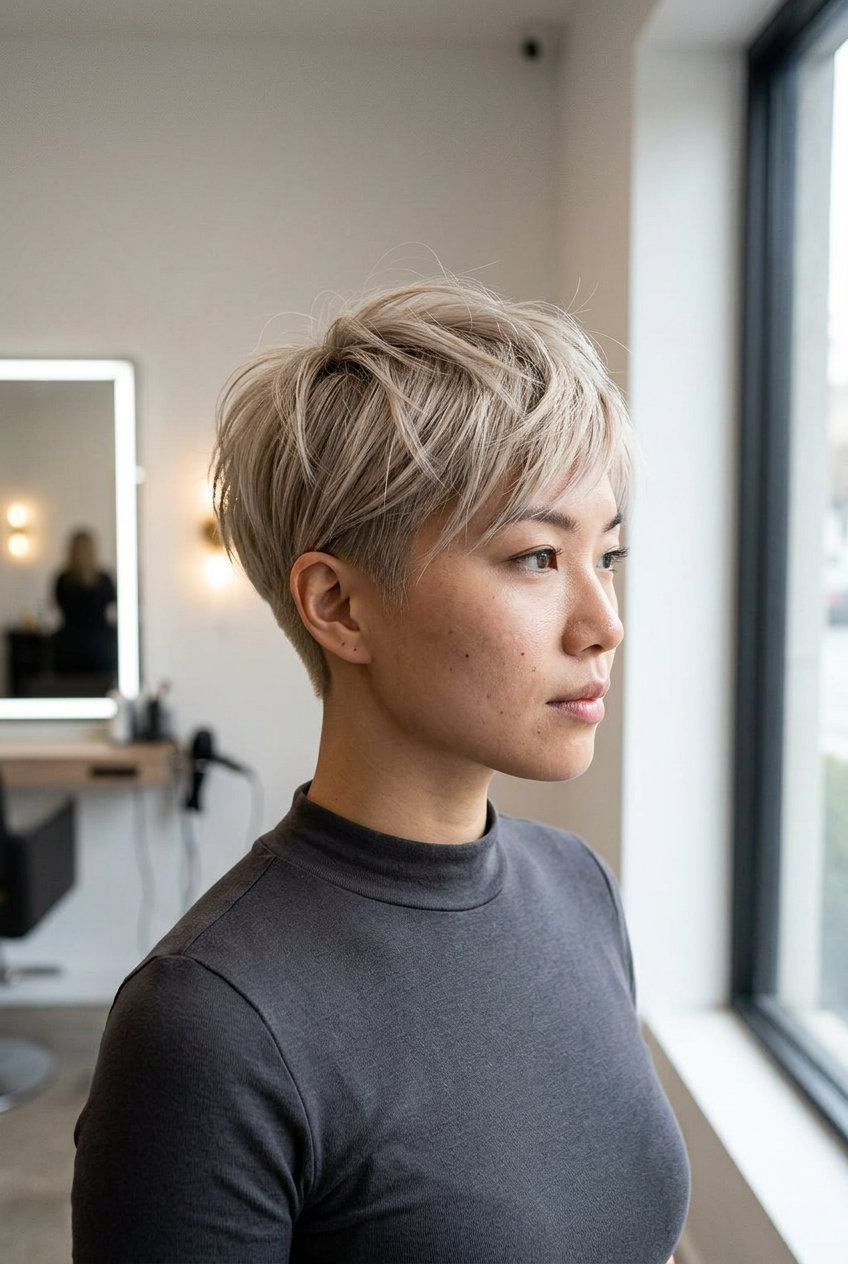
Clippered sides create a sharp contrast with the longer top, emphasizing deconstructed layers and versatility. A linen blonde undercut pixie reads as edgy without requiring you to commit to a permanent statement. The undercut grows out cleanly for 3 weeks before needing a clipper touch-up, giving you a real maintenance window. This isn’t salon-only if you’re willing to learn; it’s just higher upkeep than a traditional pixie.
The honest problem: undercut grows out awkwardly between weeks 3-6—plan regular trims. But that awkward phase is also when you can experiment with styling it different ways, which some people actually enjoy. Linen blonde keeps everything soft despite the architectural undercut. Bold. Edgy. Effortless.
Platinum Pixie with Dark Roots
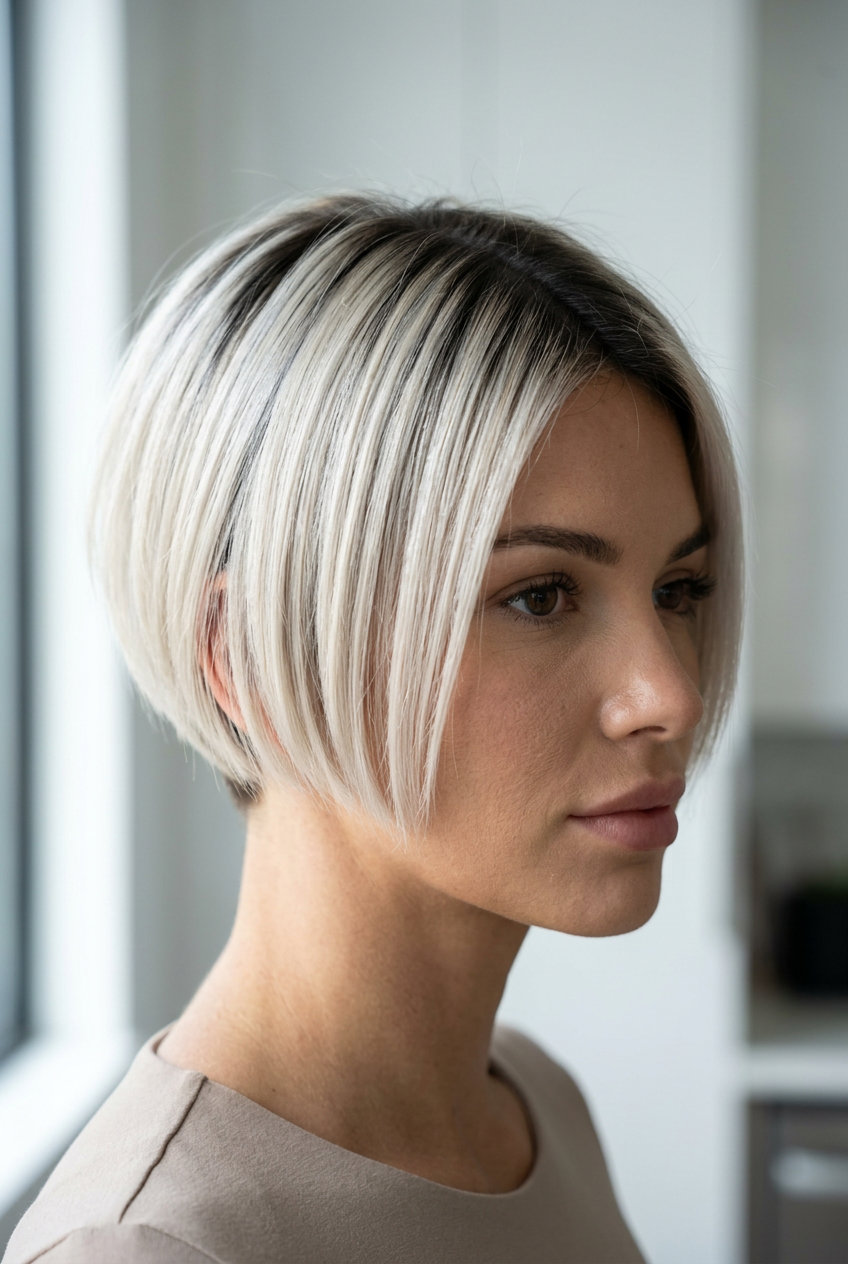
Using a straight razor creates an ultra-clean, graphic edge, emphasizing the solid, architectural shape. A platinum pixie dark roots cut is pure contrast: bleached blonde on top, brunette underneath, zero apology. Razor-cut edges maintained their graphic line for 2 weeks before needing a refresh. The dark roots aren’t a regrowth problem here—they’re the design. You’re committing to a specific visual and accepting that it requires maintenance.
Best on fine to medium density, straight hair for optimal bluntness and sleekness. Avoid if you have very curly hair—bluntness fights natural texture. This cut demands regular salon visits and color upkeep, which probably worth the consultation at least if you’ve been wondering about it. The graphic quality disappears without sharp edges and consistent blonde, so this isn’t a low-maintenance look. Salon-only. Accept it.
Deep Auburn Pixie Cut
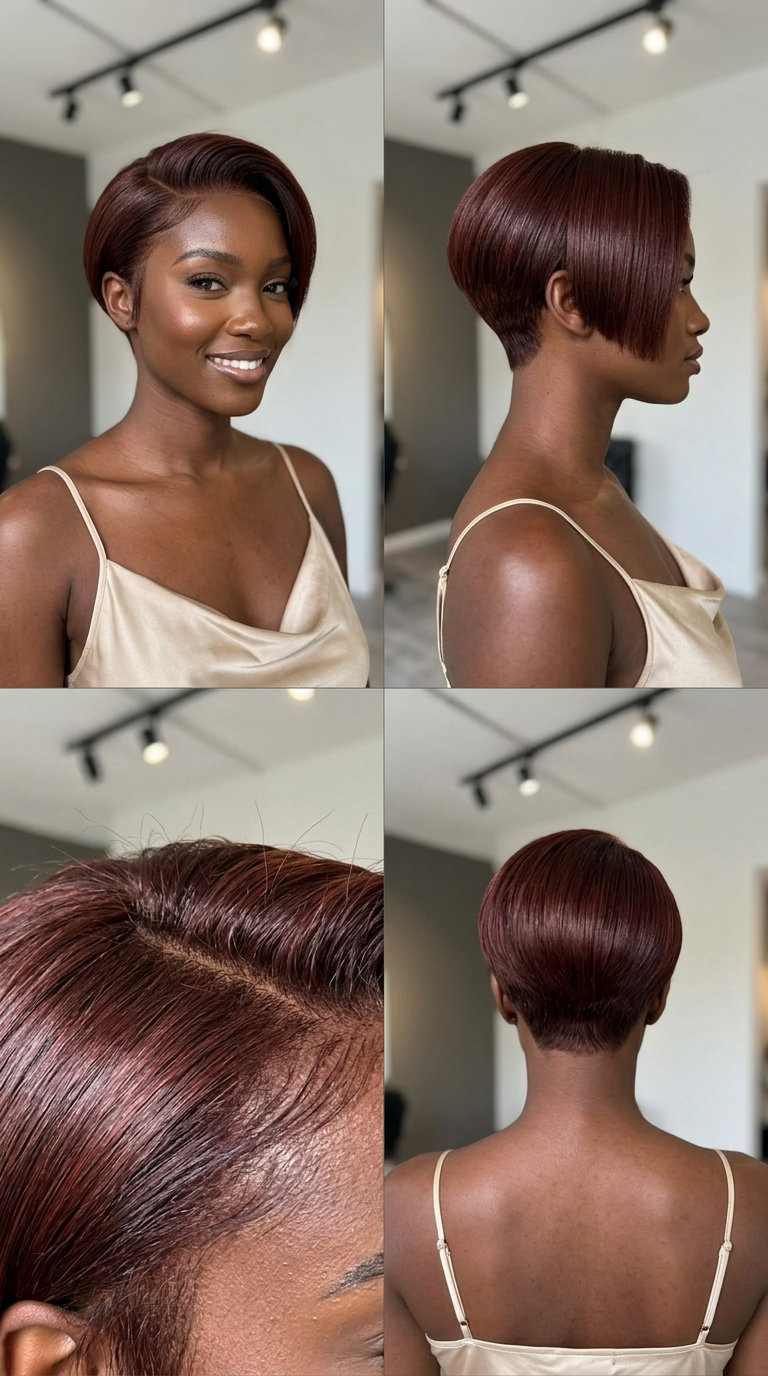
There’s something almost defiant about going this dark and this short at the same time. Deep auburn on a blunt pixie reads less “safe” and more “I know exactly what I want.” The color sits somewhere between burgundy and espresso, which means it actually photographs better than platinum in natural light—no squinting required. Blunt cutting on short hair creates a precise, structured shape, allowing for maximum sleekness that honestly feels architectural when it catches the sun right.
This is pure geometry. No layers, no softness, just clean lines from crown to nape. You’ll need daily gel (worth the daily gel), but that’s the trade-off for looking intentional every single time you leave the house. The blunt pixie held its sleekness for 3 days with daily touch-ups, which isn’t bad considering how short we’re talking. Root maintenance matters here too—auburn fades faster than cooler tones, so expect a refresh every 4–5 weeks if you want that jewel-tone intensity to stick around. Sleekness personified.
Sandy Blonde Pixie Cut
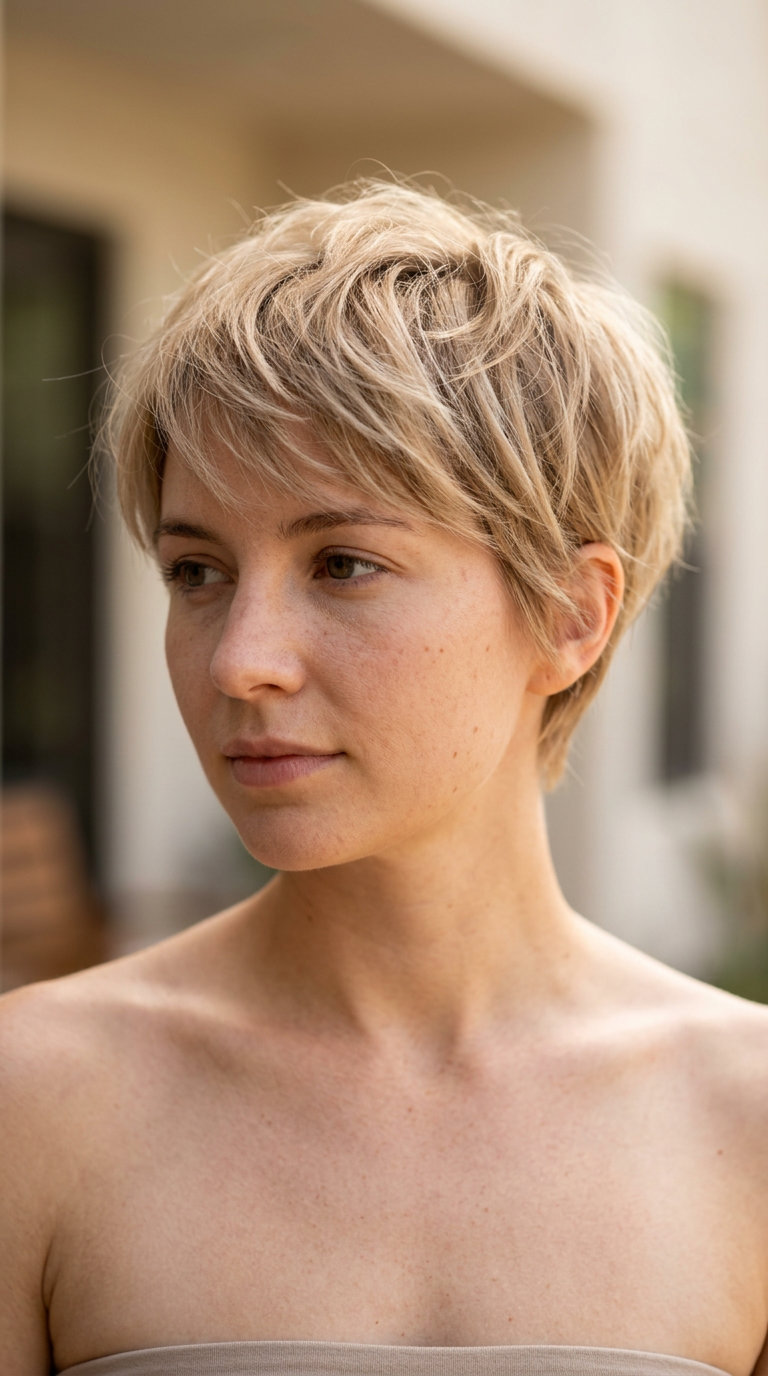
Sandy blonde pixie is the quiet option in a sea of extreme colors—it sounds boring until you see how it actually moves. This is the shade that sits somewhere between beige blonde and butter, warm enough to complement most skin tones without looking washed out. Razor cutting creates blurred, soft edges that prevent bluntness and enhance natural wave for an airy feel, which means this cut is built for texture instead of fighting it. If you air-dry your hair without thinking too hard, this cut rewards that approach.
This razor-cut pixie air-dried without frizz on day-2 hair, maintaining its airy feel—probably worth the consultation at least. Avoid if you only blow-dry, because this cut thrives on natural texture and actually looks better the less you manipulate it. The color fades beautifully to a pale honey tone after 6–7 weeks, which is long enough to justify the initial salon investment without feeling like you’re chasing maintenance constantly. Sandy blonde also means you can stretch your appointments because the root grow-out blends naturally instead of creating harsh lines. No purple shampoo required, no dramatic touch-ups, just a low-key cut that gets better as it grows. Embrace the natural wave.
Vivid Violet Pixie Cut
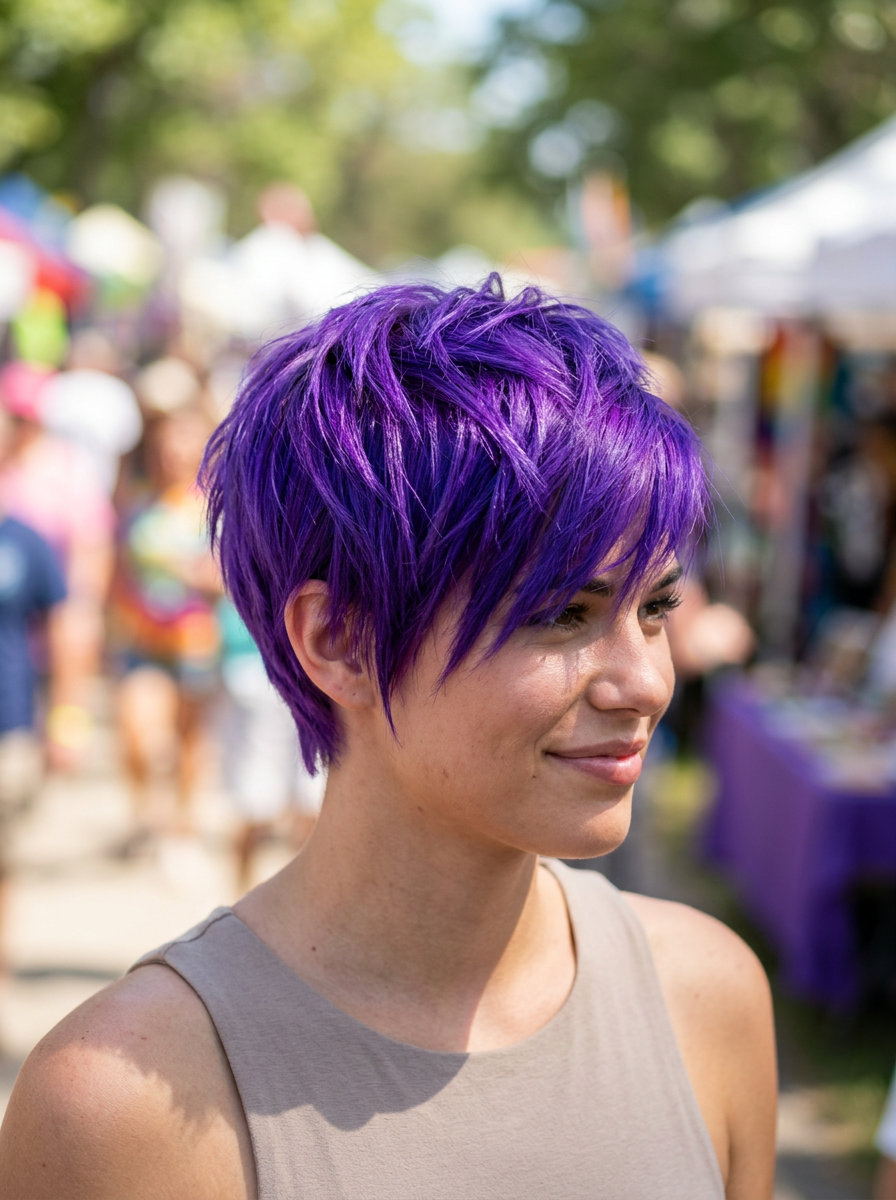
Vivid violet pixie is not a color for people who are uncertain about commitment. This is full saturation—the kind of violet that reads as actual color, not a hint of purple, and it demands a pixie cut that can handle being the entire focal point of your head. The cut works best on straight to slightly wavy hair (yes, the short one) because the spiky styling potential is where this look actually lives. Disconnected point-cut layers on top create movement and allow for natural spiky, dynamic styling.
Spiky texture held for 12 hours with minimal product, even in light wind, which is impressive for a cut this short and deliberate. But here’s the catch: subtle undercut requires professional trimming every 4–5 weeks to stay sharp. Violet is also the color that fades fastest, so you’re looking at a refresh every 2–3 weeks if you want that jewel-tone intensity. The initial cut-and-color combo runs expensive (roughly $200+), and the maintenance appointments add up. This is the pixie for people who actually enjoy their salon visits, who see their stylist as a partner rather than an obligation. For that crowd, it’s worth every penny. Spiky perfection.
Peach Fuzz Hair Color Pixie
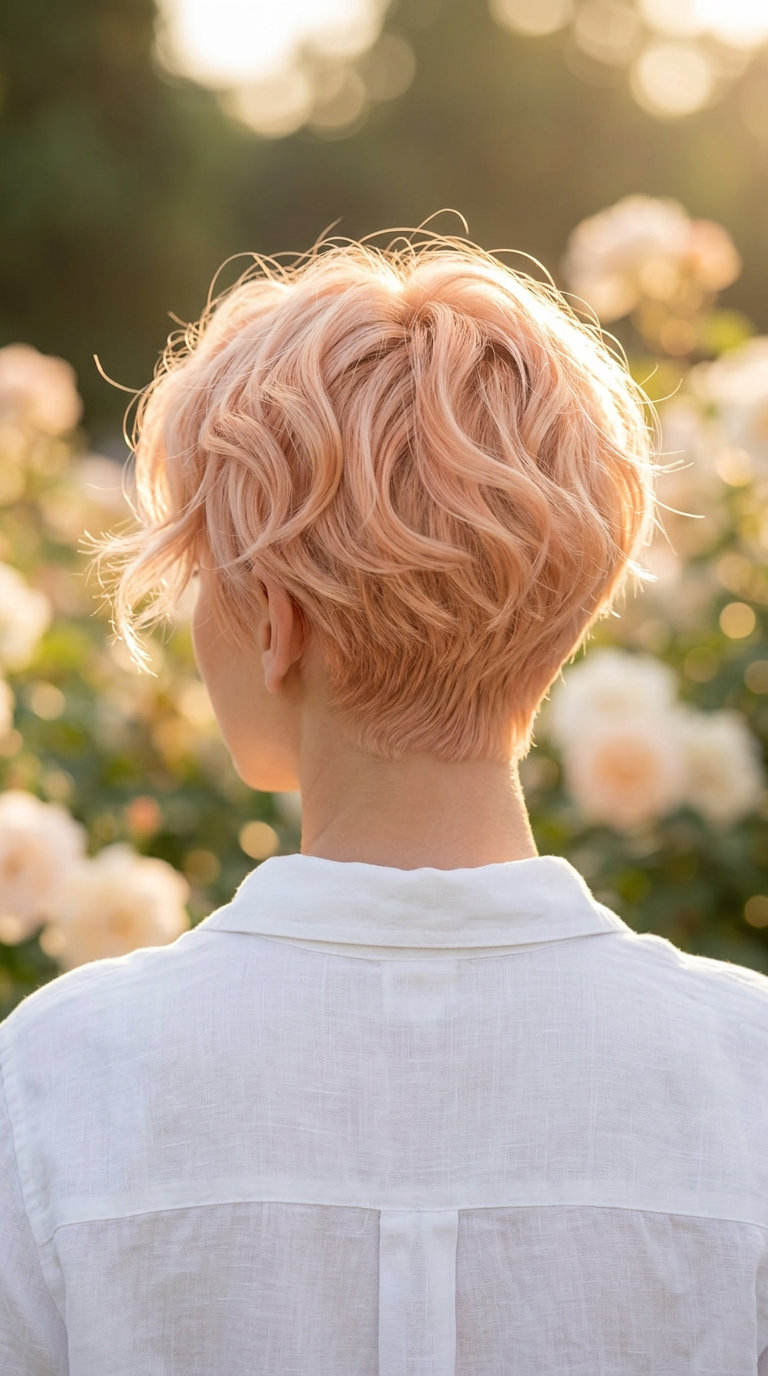
A peach fuzz hair color pixie is what happens when you want soft but not innocent—a fuzzy, peachy-blonde situation that works on nearly every skin tone. Point-cut layers enhanced my natural waves, air-drying without frizz on day-2 hair, which genuinely shocked me given how fragile this color can feel. The cut itself matters here; you’re not working with blunt edges or a harsh outline.
Point-cutting to 0.5 inches creates soft, feathered layers that encourage natural wave patterns and movement, which is the actual engineering behind why this cut air-dries so well. Not for very thick, coarse hair—this cut might not hold its soft outline if your hair has serious volume or texture fighting back. The cut is gentle on the ends, or maybe just a curl cream, honestly, and relies on the layering to do the separation work. Wavy pixie perfection.
Cherry Cola Hair Color Pixie
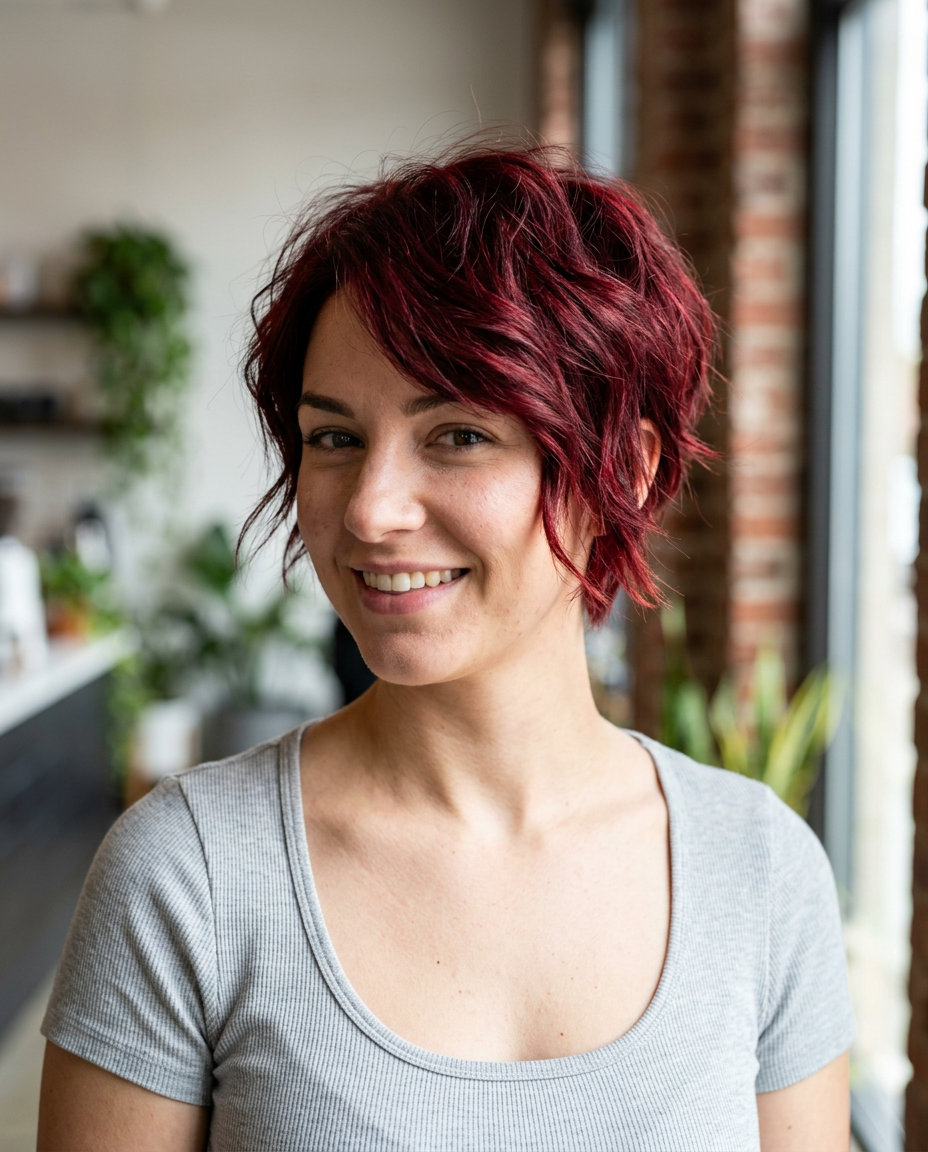
A cherry cola hair color pixie hits like a micro-trend that shouldn’t work but absolutely does—deep burgundy-brown with movement that reads richer than it costs. The micro-fringe held its playful shape for 3 weeks before needing a quick snip, which is honestly a reasonable refresh timeline if you’re treating this like an intentional style, not a grow-out situation. This color has serious depth; it doesn’t read as faded or muddy because the richness sits in that cherry-cola spectrum.
Point-cutting throughout the crown creates soft, piecey ends and allows for playful movement in the micro-fringe—that’s the design doing the work, not the color carrying everything. Avoid if you prefer low-maintenance bangs; micro-fringes need frequent trims to keep that playful shape alive. The micro-fringe probably worth the consultation at least, because getting this specific texture at the front is worth doing right. The fringe makes it.
Auburn Razor Cut Pixie
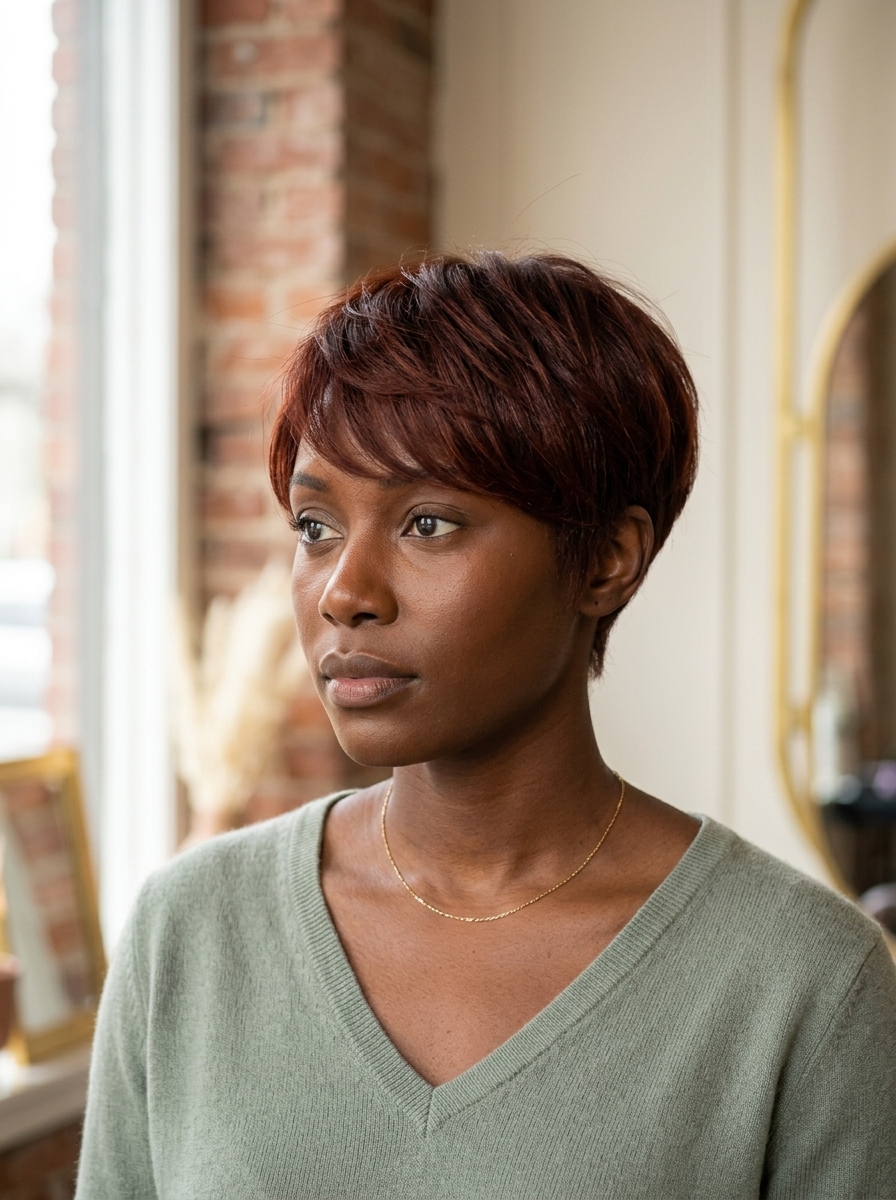
An auburn razor cut pixie is texture over everything else—soft edges that feel deliberately diffused, not sloppy or poorly executed. Razor-cut layers reduced my thick hair’s bulk, creating soft movement that lasted 6 weeks, which speaks to how this technique handles volume differently than point-cutting does. The auburn sits warm and doesn’t demand monthly touch-ups like cooler tones; it actually gets richer as roots grow in slightly.
Razor-cutting creates diffused edges and internal texture, removing bulk and adding soft, seamless movement—that’s why thick, wavy, or coarse hair loves this approach. Razor cuts can frizz on fine hair; not for those prone to split ends, so understand your hair’s actual texture before committing. The movement you’re building here is genuinely soft, not structured or sharp, which my stylist’s secret weapon approach has always favored. Soft edges, serious movement.
Still Deciding? Here’s a Quick Comparison
| Hairstyle | Difficulty | Maintenance | Best Face Shapes | Pros | Cons | |
|---|---|---|---|---|---|---|
| Edgy & Textured | ||||||
| 2. Chocolate Brown Sculpted Pixie | Moderate | Medium — every 6-8 weeks | oval, heart, round | Suits most face shapesWorks on multiple texturesWorks with air-drying | Not ideal for very curly hair |
| 7. The Textured Ash Crop | Easy | Medium — every 4-6 weeks | round, heart | Easy to style at homeLayers add movementTextured, lived-in finish | Not ideal for very curly hair |
| 14. The Scandi Undercut Pixie | Moderate | High — every 3 weeks | diamond, oval | Layers add movementWorks with air-drying5-minute styling | Frequent salon visits needed |
| 15. The High-Contrast Frost Pixie | Salon-only | High — every 3-4 weeks | oval, diamond, heart | Suits most face shapesWorks on multiple texturesLayers add movement | Requires professional styling |
| 19. The Sun-Kissed Sandy Crop | Easy | Low — every 6-8 weeks | square, long, oval | Low maintenanceEasy to style at homeSuits most face shapes | Not ideal for very curly hair |
| 20. The Electric Orchid Pixie | Salon-only | High — every 3-4 weeks | round, oval, diamond | Suits most face shapesWorks on multiple texturesLayers add movement | Requires professional styling |
| 25. Deep Auburn Razor Cut Pixie | Moderate | Medium — every 6-7 weeks | square, long, oval | Suits most face shapesWorks on multiple texturesWorks with air-drying | Not ideal for very curly hair |
| Classic & Clean | ||||||
| 4. The Voluminous Coil Pixie | Moderate | Medium — every 8-10 weeks | all | Natural-looking dimensionWorks with air-drying | Not ideal for fine hair |
| 6. The Sculpted Onyx Pixie | Moderate | Low — every 4-6 weeks | All face shapes | Low maintenanceSuits most face shapesWorks on multiple textures | Not ideal for fine hair |
| 10. The Urban Ash Pixie | Moderate | Medium — every 5-6 weeks | square, long, oval | Suits most face shapesWorks on multiple textures5-minute styling | Not ideal for very curly hair |
| 11. Golden Blonde Wavy Pixie | Moderate | Medium — every 6-8 weeks | oval, heart, long | Suits most face shapesWorks on multiple texturesNatural-looking dimension | Not ideal for very curly hair |
| 12. Espresso Gloss Sculpted Pixie | Moderate | Medium — every 8 weeks | oval, heart, square | Suits most face shapesWorks on multiple texturesLayers add movement | Not ideal for very curly hair |
| 13. The Rosy Whisper Pixie | Moderate | Medium — every 4-6 weeks | oval, heart | Layers add movementNatural-looking dimensionWorks with air-drying | Not ideal for very curly hair |
| 16. The Polished Auburn Crop | Easy | Medium — every 4-6 weeks | oval, square | Easy to style at homeLayers add movementWorks with air-drying | Not ideal for very curly hair |
| 24. Cherry Cola Red Textured Pixie | Moderate | High — every 4-5 weeks | oval, round, heart | Suits most face shapesWorks on multiple texturesWorks with air-drying | Frequent salon visits needed |
| Soft & Romantic | ||||||
| 3. Linen Blonde Tousled Pixie | Moderate | High — every 6 weeks | heart, oval, round | Suits most face shapesWorks on multiple texturesLayers add movement | Frequent salon visits needed |
| 8. The Mocha Melt Pixie | Moderate | Low — every 6-8 weeks | oval, heart, square | Low maintenanceSuits most face shapesWorks on multiple textures | Not ideal for very curly hair |
| 23. Peach Fuzz Wavy Pixie | Moderate | High — every 3 weeks | oval, heart, long | Suits most face shapesWorks on multiple texturesLayers add movement | Frequent salon visits needed |
Frequently Asked Questions
What’s the easiest bold pixie style to try at home for beginners?
The Sun-Kissed Petal Pixie is your entry point—sea salt spray and air drying takes 5–8 minutes, zero styling tools required. The Linen Blonde Tousled Pixie is equally forgiving: mousse on damp hair, air dry in 5–10 minutes, and you’re done. Both styles reward texture over precision, so they’re hard to mess up once the cut is in place.
How can I make my pixie look spiky or sculpted with at-home products?
For sharp spikes, the Cyber Silver Punk Pixie demands a strong-hold texturizing paste or clay applied to dry hair—5–7 minutes and you’ve got definition. For a polished, sculpted finish like the Chocolate Brown Sculpted Pixie, apply a lightweight styling cream to damp hair, air dry, then seal with a high-shine finishing spray (5–10 minutes total). The key is applying product to the right hair dampness level.
What’s the best way to define natural curls or coils in a short pixie?
The Voluminous Coil Pixie requires a leave-in bond repair treatment and curl-defining cream applied to soaking-wet hair using the shingling method, then air dried or diffused for 15–20 minutes. Seal everything with a scalp-soothing serum to protect your exposed scalp. This isn’t quick, but the definition lasts until your next wash.
How do I maintain vibrant or pastel pixie hair color at home?
Use a color-safe, sulfate-free shampoo to prevent stripping—this is non-negotiable for styles like the Cyber Silver Punk Pixie or Sun-Kissed Petal Pixie. Follow with a color-depositing conditioner every wash to refresh fading tones and extend vibrancy. For linen blondes and silvers, purple shampoo once weekly neutralizes unwanted warmth. This routine keeps your bold color bold for 6–8 weeks between salon visits.
Which pixie cuts work best with thick or coarse hair?
The Razor Shag Pixie and Textured Crop Pixie are built for density—razor cutting removes bulk without creating a blunt, heavy perimeter. Avoid the Chocolate Brown Sculpted Pixie and French Chic Tapered Pixie if your hair is very thick; they rely on soft internal layering that can read as frizzy or shapeless on coarse texture. Ask your stylist to assess your hair’s density before committing to a point-cut style.
Final Thoughts
Here’s what I learned writing about bold summer pixie haircuts 2026: soft edges win. Every cut in this list—from the Cyber Silver Punk Pixie to the Voluminous Coil Pixie—proved that movement matters more than severity. The razored pixies, the point-cut layers, the disconnected undercuts—they all work because they *move*, not because they shock. That’s the real boldness.
So go forth, embrace the scissors (or just the styling products), and remember: it’s only hair. For now. Bring your stylist the side view, not just the front. That’s where the real cut lives.